From icy roads to sudden breakdowns, Canadian drivers know that road conditions can change in an instant. Whether commuting through a winter storm or heading out on a summer road trip, having a car emergency kit on hand can offer peace of mind and help you stay safe until help arrives.
If you’ve ever wondered what to put in a car emergency kit, this guide walks you through the must-haves, nice-to-haves and seasonal add-ons that make all the difference. You’ll also find helpful tips on how to tailor your kit to the unique challenges of Canadian driving.
Key takeaways
- A well-stocked car emergency kit helps you stay safe, warm, and prepared during unexpected roadside situations.
- Your emergency kit should include essentials such as a first aid kit, jumper cables, road flares, food, and drinking water.
- Seasonal items like a snow brush, a small shovel, and extra clothing can make all the difference during storms.
Why every vehicle needs an emergency kit
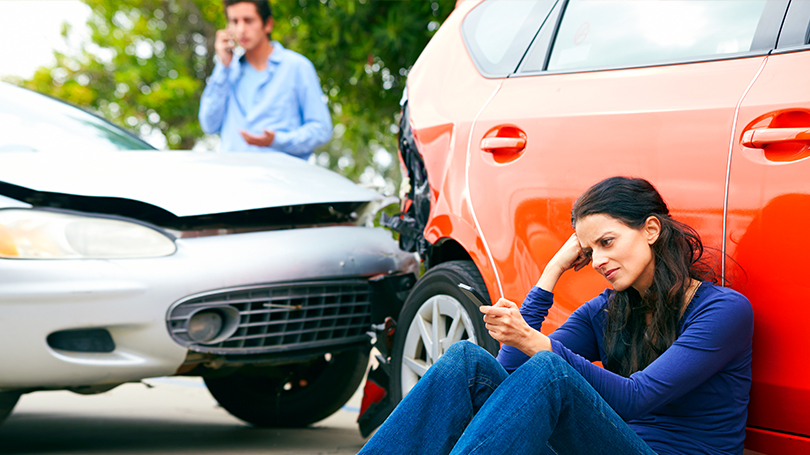
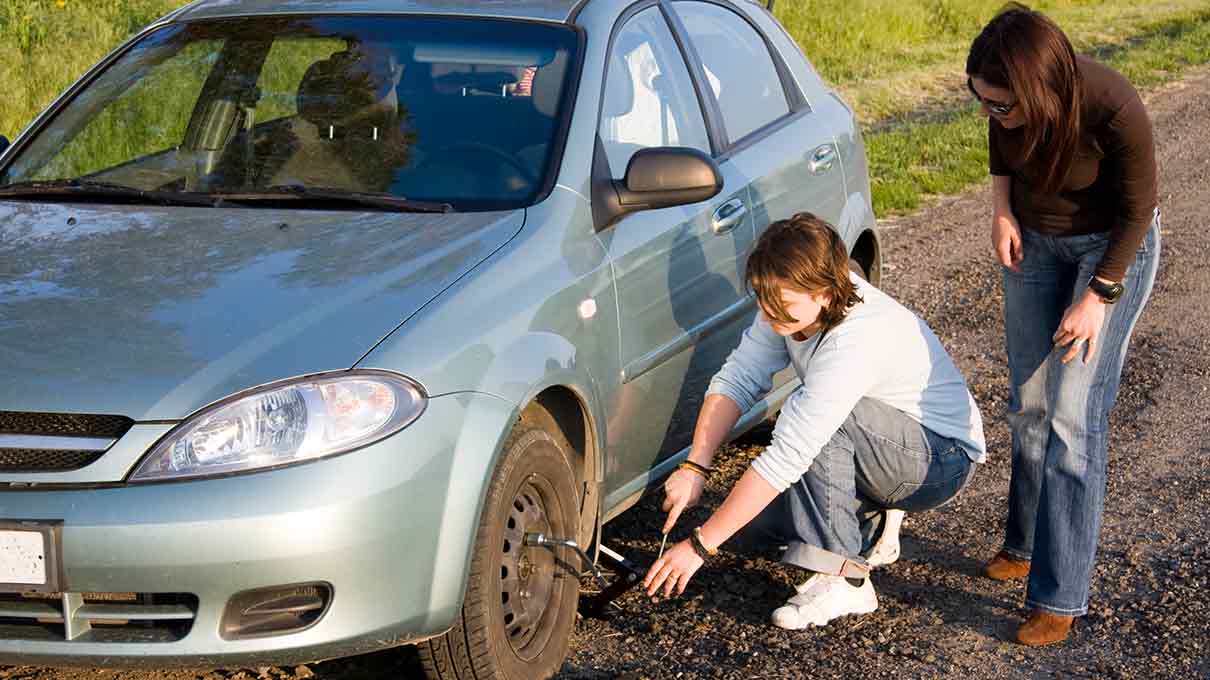
No one expects their day to include a roadside emergency, but having an emergency kit means you're ready when things don’t go as planned. Whether waiting for emergency responders during a snowstorm or handling a flat tire on a quiet country road, a well-stocked emergency kit can make the situation more manageable and safer. Being ready isn't just smart, especially for drivers facing long commutes or rural roads. It’s part of responsible driving.
Pro tip: Don’t just build your emergency kit. Make sure you know how to use everything in it. Review the contents a couple of times a year, especially before winter.
What to put in a car emergency kit: The must-haves
Every good emergency car kit starts with the basics. These core items can help keep you safe, warm, fed, and in communication while you wait for help. Whether dealing with a breakdown, bad weather, or other unexpected delays, these essentials are the foundation of a solid emergency preparedness plan.
Safety and visibility
Staying visible is key, especially if your vehicle breaks down on a dark or busy roadway. These items help ensure other drivers can see you and allow you to signal for help in low-light conditions.
- Road flares or reflective triangles
- LED flashlight or headlamp (plus extra batteries)
- High-visibility vest
- Whistle or air horn
Basic repair and recovery tools
Even if you don’t consider yourself handy, having a few basic tools can make a big difference. They help you manage minor issues, move your vehicle out of harm’s way or stay safer while waiting for assistance.
- Jumper cables (or a portable battery booster)
- Small shovel (foldable or compact)
- Sand, non-clumping kitty litter or traction mats
- Tire inflator or sealant
- Tow rope or strap
- Ice scraper and snow brush
Staying warm
Cold weather is one of the most significant risks for Canadian drivers during a roadside emergency. These items help preserve body heat, especially if your car’s heater isn’t working or you’re stuck for a prolonged period.
- Extra clothing such as socks, hat, and scarf
- Blanket or sleeping bag
- Rain poncho or windbreaker
- Gloves and winter boots
- Hand and foot warmers
Health and first aid
From minor cuts to more serious discomfort, a well-stocked first aid kit prepares you to treat basic health concerns. It’s also a good place to store any critical medications you or your passengers might need in an emergency.
- Adhesive bandages, gauze, and antiseptic wipes
- Tweezers and scissors
- Over-the-counter pain relief
- Personal medications (with instructions)
- First aid manual or instructions
- Hand sanitizer and tissues
If you’re buying a ready-made aid kit, check that it includes items relevant to driving situations, like burn dressings or instant cold packs.
Food and water
When delays last longer than expected, having food and drinking water on hand can help you stay alert and calm. Choose snacks that are shelf-stable and require no preparation.
- Drinking water
- Energy bars, trail mix, or other high-calorie snacks
- Manual can opener if you include canned goods
Nice-to-have emergency kit additions
Once you’ve gathered the essentials, you can boost your emergency kit with a few extras. These items offer added comfort and convenience and can be particularly useful depending on your driving habits or region. Think of these as optional upgrades that make your time waiting for help more bearable.
- Phone charger with car adapter
- Emergency blanket (reflective)
- Notepad and pen
- Duct tape or multi-tool
- Small fire extinguisher
- Spare fuses
- Tire pressure gauge
- Spare windshield washer fluid
Depending on your typical routes, it might make sense to carry:
- Travel-sized toiletries
- Garbage bags or wet wipes
- Spare light bulbs for your car’s exterior
- Bear spray
- MREs (Meals, Ready-to-Eat)
Seasonal swaps: Building a winter-ready car emergency kit
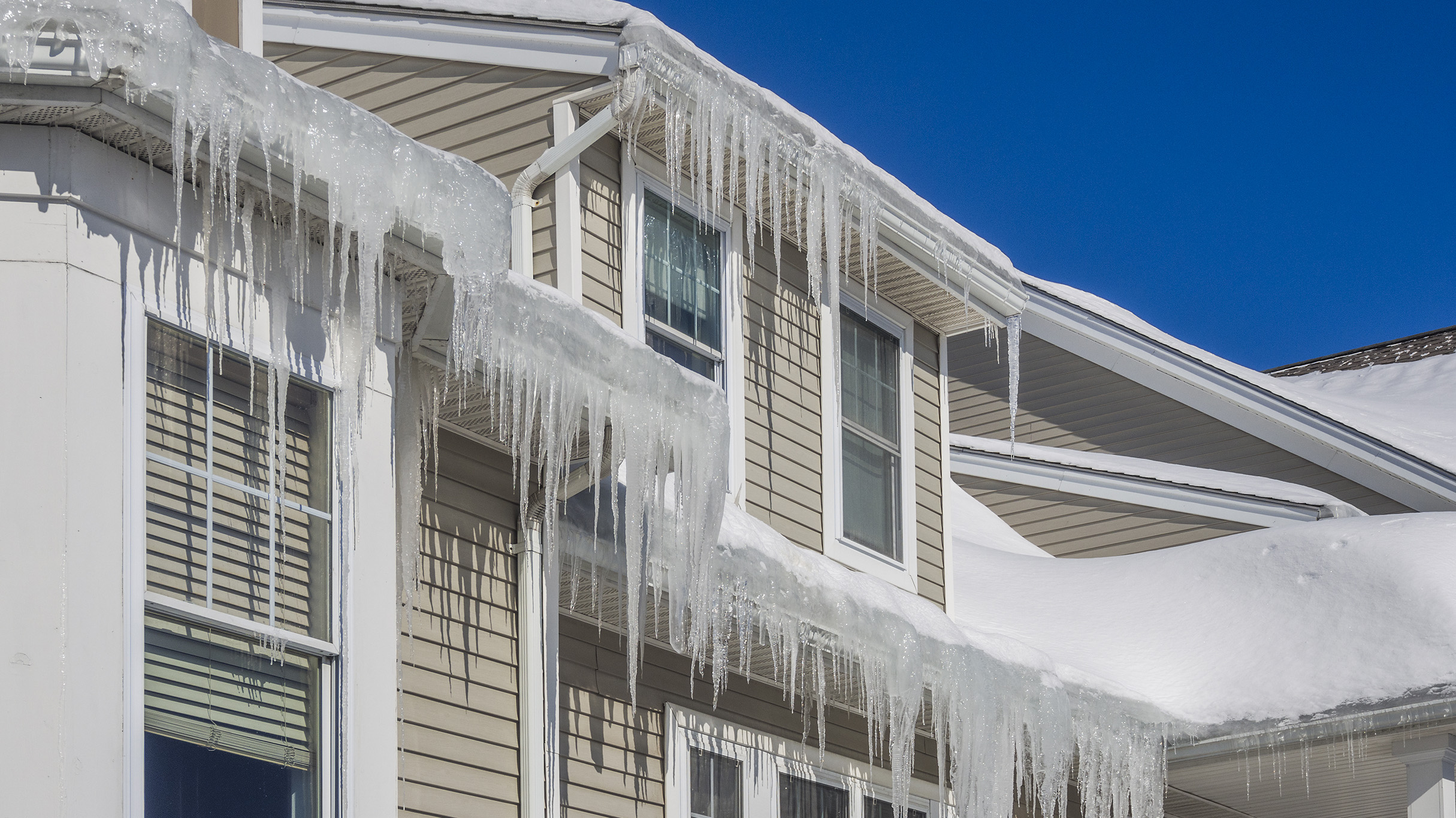
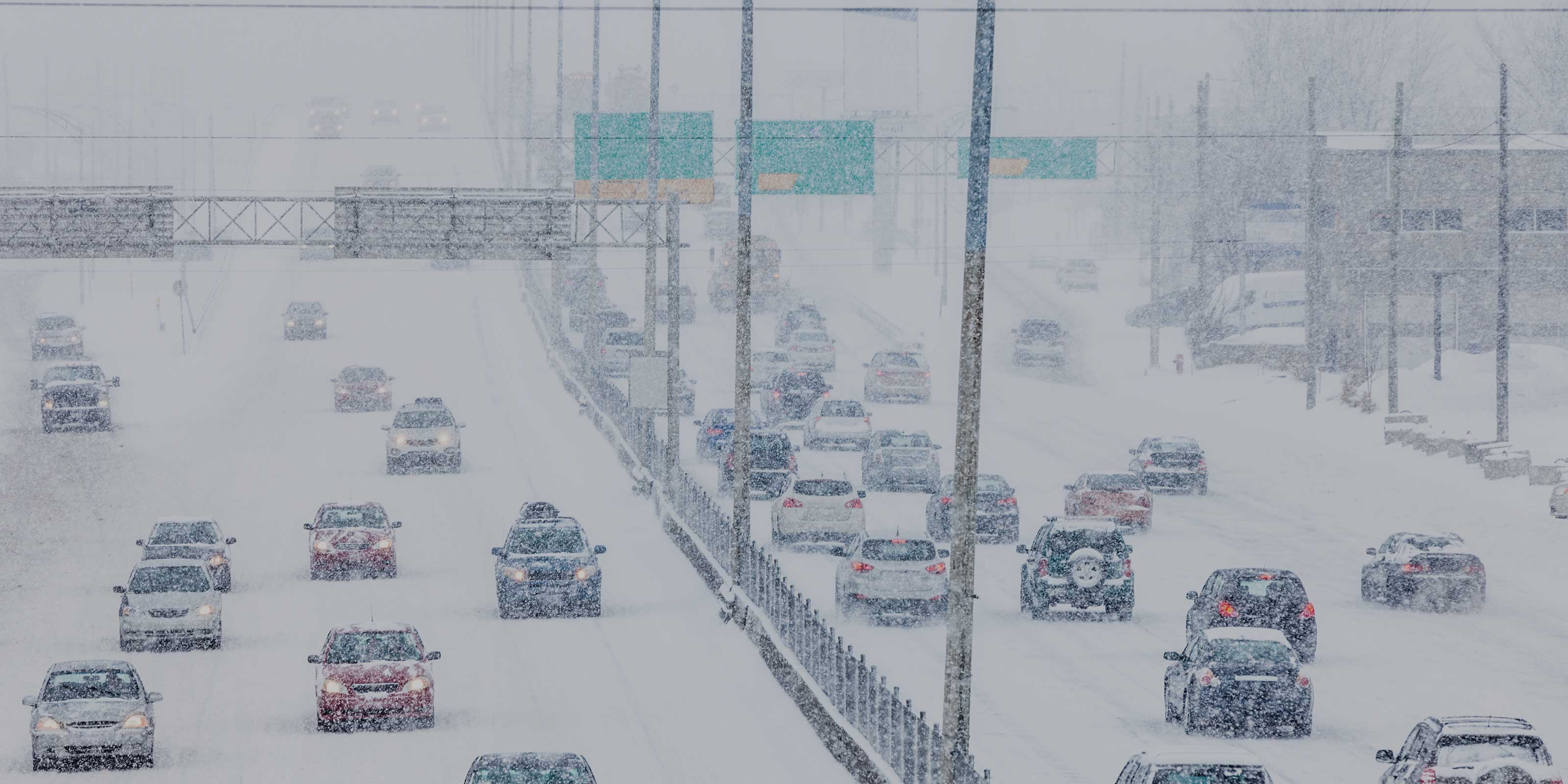
Canadian winters bring unique driving challenges, and your emergency car kit needs to reflect that. Snow, ice, and limited visibility increase the risk of being stranded or delayed. Adjusting your kit for the season ensures you're prepared and protected from exposure and harsh conditions.
Winter-specific gear
When snow and ice are part of your daily commute, you’ll want to prepare for more than just cold. These additions help you manage snow build-up, poor traction, and freezing conditions.
- Larger snow brush and ice scraper
- Extra windshield washer fluid (rated for at least -45°C)
- Non-clumping kitty litter or sand to improve traction
- Extra set of gloves, cold weather boots, and clothing
- Small shovel for digging out around tires
- Pack of emergency candles and matches
Preparing for storms
If you live in an area that experiences frequent storms, these extra supplies can help you safely weather the storms.
- Battery-powered radio
- Thermal blanket
- Portable power bank (to charge your phone or devices)
- Emergency snacks and water for all passengers
Need more driving tips? Learn how to drive safely in snow and icy conditions.
Don’t forget your vehicle: Maintenance and backup supplies
A well-maintained car is less likely to leave you stranded, which makes vehicle care part of your overall emergency preparedness strategy. Keeping a few backup supplies and routinely checking key systems helps avoid preventable breakdowns.
Here are some vehicle-related supplies to check regularly:
- Working spare tire and jack
- The car’s battery condition
- Fuel level (keep it above half a tank in winter)
- Fluids: engine oil, coolant, transmission fluid, and brake fluid
- Wiper blades and windshield washer fluid
- Heater and defrost system
Where to store your emergency kit and supplies
The best car emergency kit won’t help if it’s out of reach or damaged by weather. Think strategically about how you store your gear. Keep items both secure and accessible when you need them. A well-organized kit also makes it easier to find the right item quickly during stressful moments.
- Store bulky items (like a shovel, sand, or spare tire) in the trunk.
- Keep small essentials (like your first aid kit, phone charger, and flashlight) in the glovebox or in a sealed container behind a seat.
- Use sealed containers or waterproof bags to protect items from cold, moisture, or spills.
If you drive with children or pets or frequently travel with others, consider tailoring individual kits for each person’s needs.
How to stay safe while using your emergency kit
Knowing how to use your emergency kit is as important as having one. Emergencies can be disorienting, but familiarity with your tools can help you stay calm and make wise choices. The goal is to keep warm, visible, and secure until help arrives.
- Stay visible: Use road flares or reflective triangles before exiting your vehicle.
- Stay warm: Use blankets, layers, and warm drinks to maintain body heat.
- Stay off the road: If you need to move around, stay clear of traffic and power lines.
- Stay informed: Tune into weather or traffic alerts with a radio or smartphone (if service allows). Having a portable phone charger on hand would be helpful to ensure you stay connected if your smartphone battery dies.
Being well-prepared with the right supplies gives you time to make calm, informed decisions and protect yourself and your passengers.
Update your emergency kit regularly
Even the best emergency car kit needs a check-up from time to time. Items expire, batteries die, and seasonal needs change. Make it a habit to revisit your kit twice a year, so everything stays in working order and ready when you need it most.
- Replace expired first aid supplies.
- Test your flashlight and extra batteries.
- Refresh seasonal items based on the weather.
- Review personal medication or family-specific needs.
Try setting a reminder for the start of winter and summer, which are natural times to review your kit and make updates.
Drive prepared, not worried
An emergency kit is about more than survival. It’s about ensuring you feel ready, safe, and supported regardless of what the road brings. When the unexpected happens, it’s important to know the steps to take so you can stay prepared and handle the situation effectively. Check out our article on what to do after a car accident to find out more.
If you're reviewing your vehicle’s safety setup, it’s also a good time to ensure your insurance coverage supports your needs. Learn more about our auto insurance options for tailored support and advice.
Preparing doesn’t need to be complicated, but it makes all the difference when it matters most. Whether stocking up on energy bars, grabbing a rain poncho or checking your aid kit, small steps today can offer peace of mind tomorrow.