Choosing car insurance as a new driver in Canada can feel overwhelming, especially with the various costs and coverage options available.
Whether you're a young driver getting your first car, a newcomer to Canada or an adult learning to drive later in life, understanding your options can help you find the right coverage at a fair price.
Key takeaways
- New drivers may pay more for insurance due to their lack of driving history, but rates can vary based on factors like location, vehicle type, and insurance provider.
- There are ways to save, such as taking a driver training course, choosing a cost-effective vehicle and exploring discounts.
- First-time or young drivers' car insurance needs vary, and while some protection is mandatory, optional coverages like collision or comprehensive insurance may be worth considering.
From learner to fully-licensed driver
You’ve got your learner’s permit, and you know the rules of the road. As a new driver with only a learner’s permit, you can only drive with a fully licensed driver in the car.
For example, say you take the family car out for a drive around the block with one of your parents (who is fully licensed), because they’re the owner(s) of the car and they’ve given you permission to drive their car, you’ll be covered under their car insurance policy.
Note: It’s also a good idea for them to let their insurer know that you’ll be getting behind the wheel with a learner’s permit, to discuss if there are any requirements and options available.
Once you’ve progressed to the next level of licensing, it's time to shift gears and think about whose car you’ll be driving. If you’re living at home and plan to share the family car, your parents must add you to their car insurance policy.
If you decide to buy your own vehicle and register the car in your name, you’ll need to buy your own insurance policy. For a guide on essential documents to prepare when applying for car insurance, check out our article: What documents do I need for car insurance?
How graduated licensing affects insurance costs
Most provinces use a graduated licensing system to help new and young drivers gain experience before getting a full licence.
In Ontario, for example:
- G1 licence – Learners must drive with a fully licensed driver and face many restrictions. In most cases, there should be no insurance costs at this time.
- G2 licence – Fewer restrictions apply, and drivers can get their own policy. Some insurers offer discounts at this level, if you have completed a recognized driver training.
- Full G licence – Insurance rates typically decrease as drivers gain experience and avoid claims or driving violations. Experience alone will not bring rates down, but clean driving experience can.
Since each province has its own licensing rules, it’s important to be aware of how the system works where you live. Checking with your local transportation authority or an insurance representative can help clarify any province-specific details.
New drivers of all ages can benefit from taking a recognized driver training program, which may help reduce rates faster.
Factors that may influence insurance costs
Insurance providers assess risk based on several factors, which can impact the cost of car insurance for new drivers. These may include:
- Age and experience: Newer drivers, regardless of age, may see different rates based on their experience level.
- Type of vehicle: High-performance or luxury vehicles often cost more to insure.
- Location: Insurance rates can vary depending on various factors such as traffic density, accident rates and claims experience in different regions.
- Previous insurance history: Those without prior insurance may have different rates while establishing a history. Gaps or some lapses in insurance coverage could lead to higher rates.
- Vehicle usage: Will you be using it to commute to work or school or will you be using it as part of your job?
Discussing these details with your insurance representative will ensure you get the coverage you need.
Finding the best car insurance: Coverage details for new drivers
Standard car insurance from Aviva protects you and your family if you have a car accident. Our auto insurance policy offers coverage including the following accident benefits:
- Injury, death or property damage to others (third-party liability coverage)
- Healthcare costs and loss of income for you (subject to limits)
Optional coverages to consider
While optional coverages increase premiums, they may be worthwhile depending on the vehicle’s value and personal circumstances.
- Ride-sharing: The ride-sharing add-on is designed for drivers who use their personal vehicle part-time to carry paying passengers for an approved transportation network.
- Coverage for transportation replacement: Helps cover the cost of alternative transportation (such as car rental, public transit, or a taxi), while your car is being repaired after a covered claim.
- Conviction protector: Prevents a minor driving conviction, such as disobeying traffic signs, from increasing your insurance rates.
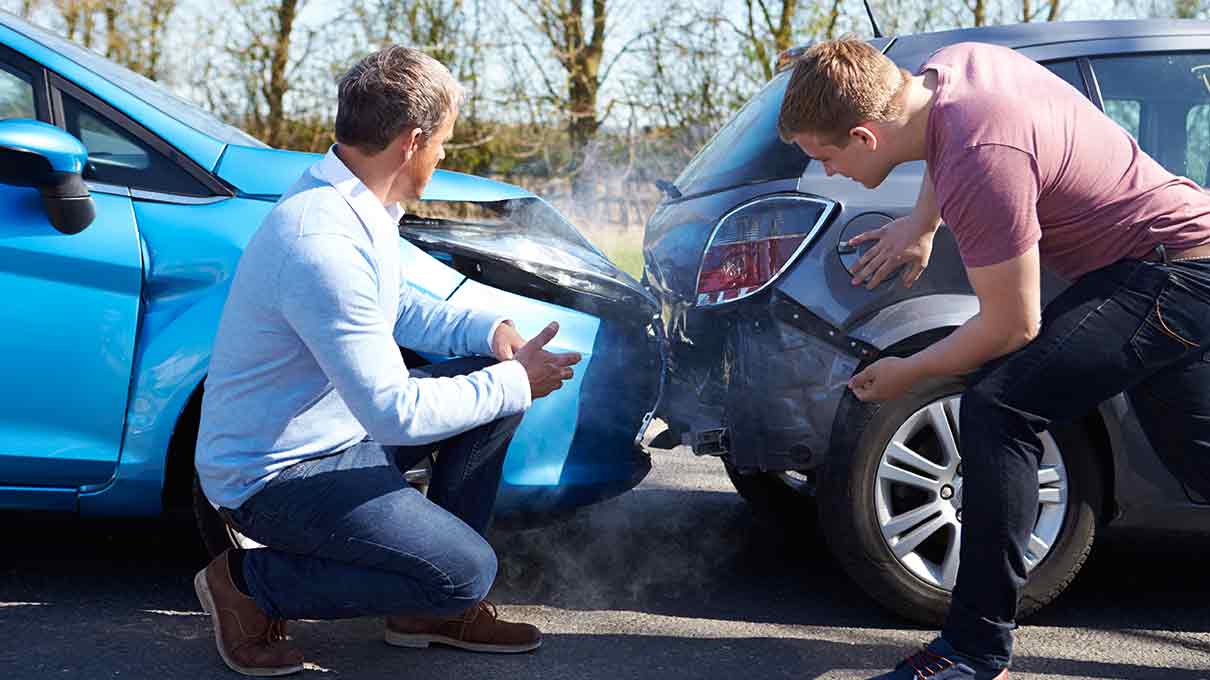
- Collision coverage: Covers damage to your vehicle after an accident with another object, including another vehicle, hit and run, or if it rolls over.
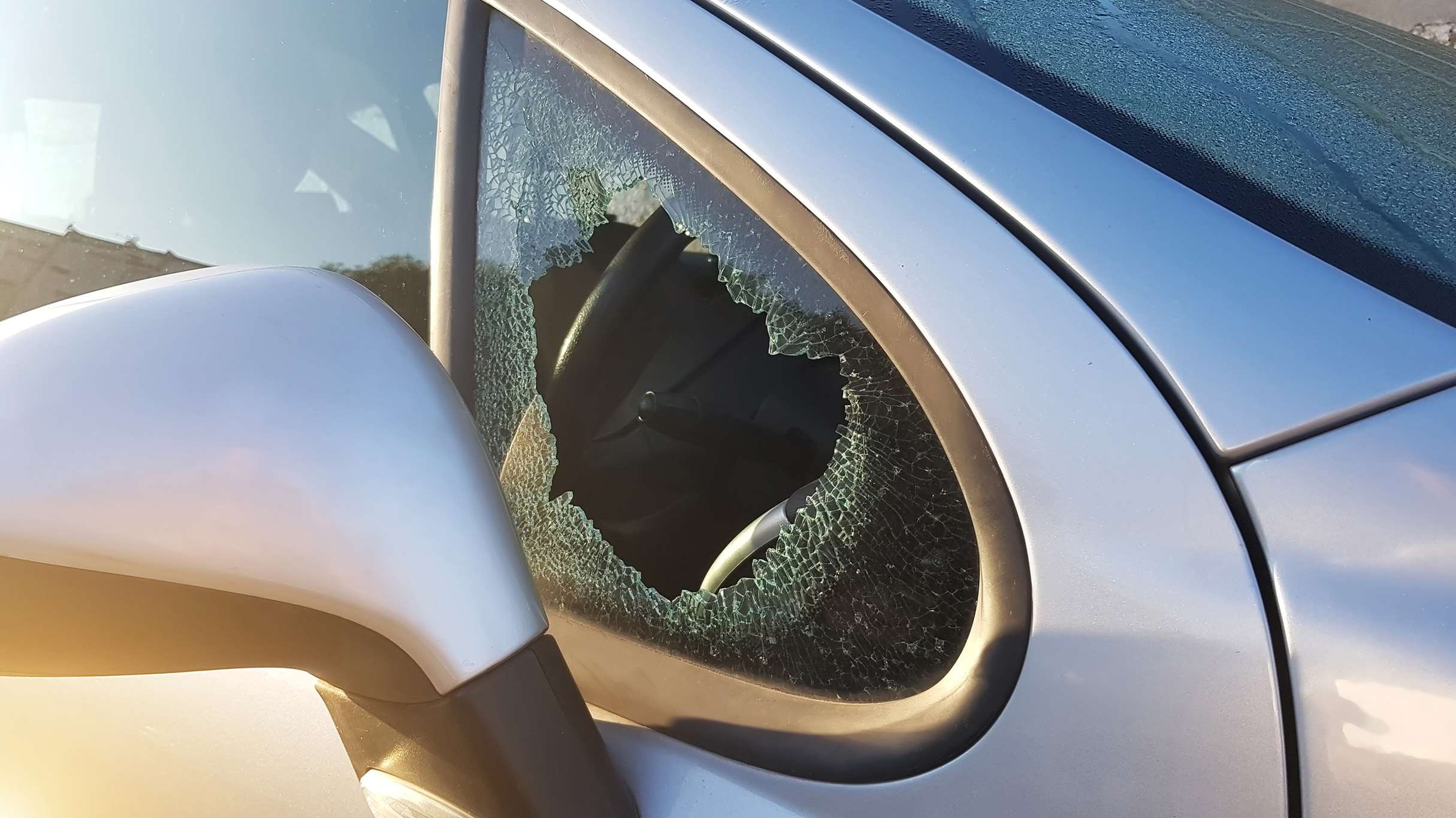
- Comprehensive coverage: Protects against non-collision damages such as fire, theft, vandalism, and falling objects (such as falling trees on a vehicle).
- Disappearing deductible: Partially reduces your deductible every consecutive year you don’t make a claim
- Accident rating waiver: Helps protect your insurance rates from increasing after your first eligible at-fault accident.
All optional coverages are subject to eligibility, limits and/or deductibles. Speak with our insurance representative to learn more.
How to build a strong insurance record from day one
Since insurance rates often decrease with a proven safe driving history, new drivers should focus on:
Avoiding tickets and accidents
Traffic violations and at-fault accidents can increase insurance costs. Practicing defensive driving, following speed limits and avoiding distractions can help maintain a clean driving record and keep insurance rates lower.
To learn about potential reasons why your insurance rate may increase, check out our article: Why did my car insurance go up?
Maintaining continuous coverage
Even if you don’t drive often, keeping an active policy can demonstrate reliability to insurers. Cancelling and restarting coverage can sometimes lead to higher rates.
Considering telematics or usage-based insurance
Some car insurance companies offer programs that track driving habits through an app or a device installed in the vehicle. Safe driving behaviours, such as smooth braking and steady speeds, may be rewarded with discounts over time.
Ways to potentially save on car insurance as a new driver
Insurance costs vary, but there are some ways new drivers may be able to reduce their car insurance premiums:
- Take a recognized driver training course: Many insurers offer discounts for completing an approved program.
- Join an existing policy: If possible, being listed as a secondary or occasional driver on a family member’s policy can reduce car insurance rates.
- Choose a vehicle with lower insurance costs: Compact cars and those with strong safety ratings typically have lower premiums.
- Consider a higher deductible: Opting for a higher deductible can lower monthly payments, though it means paying more out-of-pocket in the event of a claim.
- Bundle other insurance policies: If you have renter’s insurance, condo or home insurance you may get exceptional savings by bundling your policies.
That said, finding the right new driver car insurance isn’t just about getting the lowest rate. It’s about ensuring you have the protection you need while staying within your budget. A well-chosen policy offers more than affordable insurance; it provides peace of mind, knowing you're covered in case of an accident or unexpected event.
By understanding what affects rates, exploring discounts, and selecting the right coverage, new drivers can set themselves up for a safe and confident driving experience while building a strong insurance record over time.
Ready to find the best driver car insurance coverage for your needs? Chat with our insurance representative today and see how much you can save.