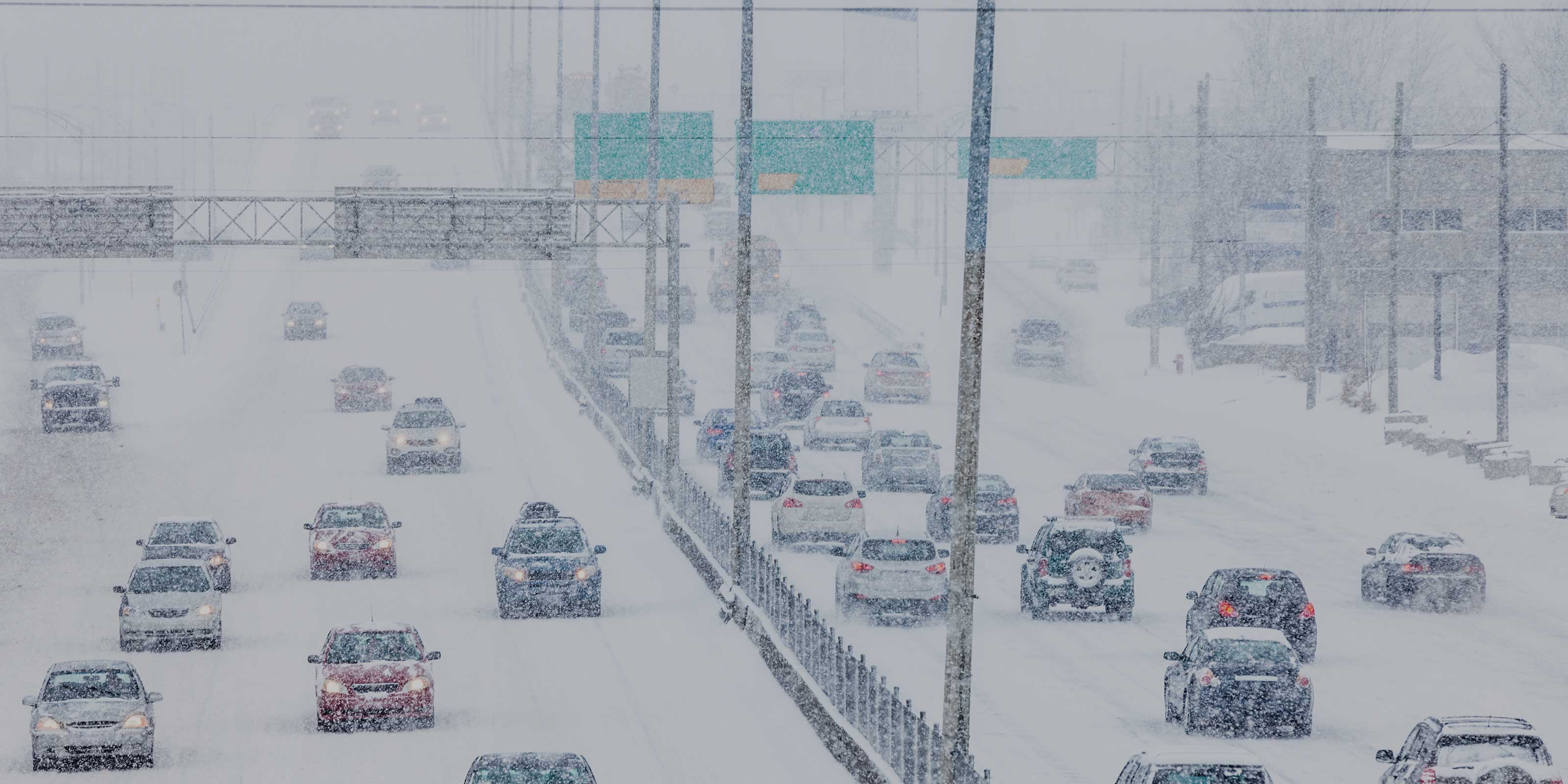
Winter driving in Canada is no small feat, from snow-covered roads to low temperatures and slippery conditions. Understanding safe winter driving practices can help you stay in control behind the wheel, whether you're heading to work or out for weekend errands.
With preparation and the right tools, winter doesn’t have to bring your plans to a halt. Here's what you need to know.
Key takeaways
- Preparing your vehicle with winter tires, essential maintenance, and cold-weather supplies can help prevent common breakdowns and delays.
- A well-stocked emergency kit in your vehicle supports safety and comfort during unexpected stops or winter storms.
- Adapting your habits, such as avoiding cruise control, reducing speed, and increasing following distance, can improve safety in winter driving conditions.
Prepare your vehicle for winter conditions
Winter weather in Canada can arrive suddenly and last for months. Knowing how to prepare your car this winter before the season shifts can help you drive more confidently and reduce the risk of roadside issues when the temperature drops. It's not just about being proactive. It’s about knowing your vehicle can perform safely in snow, ice, and freezing temperatures.
One of the most important steps is switching to winter tires. According to Transport Canada, summer and all-season tires start to lose traction at temperatures below 7°C. Installing winter tires helps maintain a better grip on the road and can improve your ability to stop and steer in cold conditions. Combine that with regular vehicle checks, and you’ll be better equipped to face whatever winter throws your way.
Key winter prep tasks:
- Install winter or snow tires for better traction in snowy and icy conditions.
- Check tire pressure and bolt torque for safety.
- Check and top up windshield washer fluid rated for low temperatures (at least -45°C).
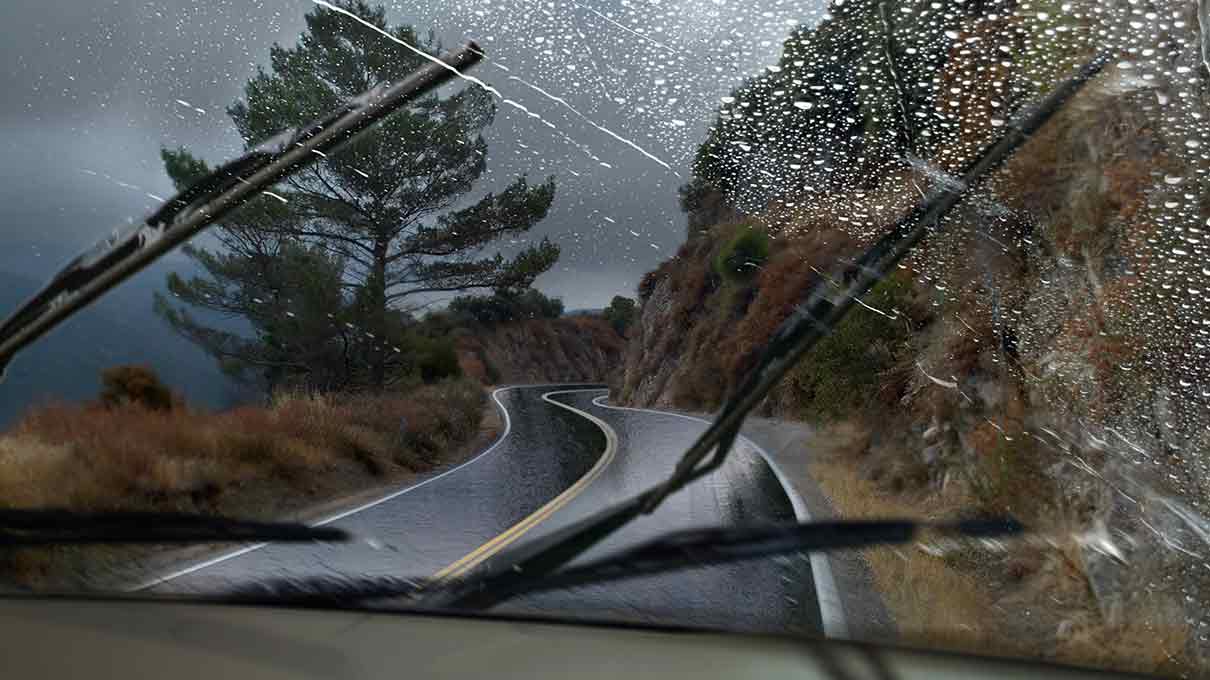
- Ensure your windshield wipers are in good condition and replace them, if needed.
- Test your charging system and battery, especially if it’s over three years old.
- Inspect your brake lights, daytime running lights, headlights, and turn signals.
- Keep your fuel tank at least half full to prevent fuel line freeze-up and help conserve fuel if you experience delays.
- Read your owner’s manual for cold-weather recommendations.
Having a vehicle ready for winter gives you a solid foundation for safe driving, no matter the weather.
What to pack: Your winter driving emergency kit
Even if you’ve winterized your vehicle and planned your route carefully, weather and road conditions can still take an unexpected turn. That’s why keeping an emergency kit in your car is essential to winter preparedness. Whether caught in a snowstorm, delayed by a closure, or waiting for assistance, having supplies on hand can help you stay warm, safe, and connected.
Think of your kit as a practical backup plan. The right items, like warm clothing, food, and visibility tools, can significantly improve your ability to manage a delay or disruption. Preparing a kit before winter starts ensures you won’t be scrambling to find essentials when you need them most.
Items to keep in your kit
- First aid kit
- Snow shovel and traction mats or kitty litter for getting unstuck
- Ice scraper and extra windshield washer fluid
- Flashlights, extra batteries, and warning devices like flares or triangles
- Blankets, extra clothing, and heavy coats to stay warm and cozy
- Non-perishable snacks and drinking water
- Phone charger and backup power source
- Basic tools and jumper cables
- Emergency flashers and a reflective vest
Store items in a waterproof container or a large bag so they’re easy to access. Rotate items seasonally to ensure batteries and food stay fresh.
Driving tips for handling winter weather
Once your vehicle is ready and your emergency kit is in place, it’s time to shift focus to how you drive. Winter roads demand more attention and patience and a few changes in routine. How you brake, accelerate, and steer can all affect how safely you get from point A to point B.
Driving in snow and ice isn’t just about reacting to current conditions. It’s about staying alert and adjusting your habits in advance. Whether commuting to work or heading out on a weekend trip, applying winter-specific driving techniques helps protect you, your passengers and others on the road.
On the road:
- Reduce speed and increase the following distance to allow for more distance when stopping.
- Avoid panic braking. Gently pump the brake pedal if you don’t have antilock brakes.
- Signal early and clearly when changing lanes.
- Watch for black ice, especially on bridges, overpasses, and shaded areas.
- Yield to snow plows and give them plenty of space.
- Avoid using cruise control on icy roads or in winter conditions.
- Turn on your daytime running lights even during daylight hours to improve visibility.
- Be cautious near other drivers, especially in high-traffic areas or intersections.
- Be more attentive around school zones, crosswalks, crossovers and intersections, as pedestrians and cyclists may be less visible during the darker winter months.
Understanding and anticipating weather conditions makes it easier to pull over safely if needed. It also helps avoid unnecessary risks while on the move.
When not to use cruise control
Many cars today offer advanced driver assistance technologies, but some features, like cruise control, can actually work against you during winter driving.
Using cruise control on snow-covered roads or during cold weather can delay your reaction time and reduce traction. It may also cause your wheels to spin faster if you hit a patch of slippery road or ice.
Instead, drive manually and maintain complete control of your brake pedal and acceleration. Letting your foot off the gas, rather than tapping the brakes, is often a safer way to slow down on snow and ice.
Floor mats, visibility, and other safety checks
While often overlooked, small details like floor mats can make a big difference. Improperly installed mats can shift underfoot and interfere with your brake pedal or accelerator. Make sure they’re secured and lie flat.
Visibility is also essential. Keep your windshield wipers and mirrors clear of snow and ice and regularly clean your headlights and taillights. In bad weather, you want to be seen and see clearly. Pro Tip: Turn off your air re-circulation button to draw in fresh air and prevent your windows from fogging up on the inside due to humidity.
Don't forget to clear your exhaust pipe before starting your vehicle. A blocked pipe can lead to carbon monoxide entering your vehicle, especially if you're warming up the car in an enclosed space or idling for extended periods in traffic.
Tips for longer drives and remote areas
Are you planning a winter road trip or visiting a rural property? Longer drives in winter require more than just a full tank of gas. Routes through less-travelled areas or regions with unpredictable weather require careful planning and added precautions to avoid getting stranded.
Services like gas stations, rest areas, and towing assistance may be harder to reach in remote locations or temporarily closed during the off-season. Preparing ahead of time means you can spend less energy worrying about the what-ifs and more time focusing on the drive itself. With the right mindset and a well-stocked vehicle, you’ll be better positioned to enjoy the journey, even if conditions change.
Before heading out
- Check local road conditions and weather conditions on official sites like Transport Canada.
- Let someone know your route and estimated arrival time.
- Keep your cell phone fully charged, and bring a car-compatible charger.
- Pack enough supplies to stay warm if you need to pull over or stop for the night.
- Monitor your gas tank and fuel up more often than usual.
Driving in winter weather is rarely predictable. With the proper planning, it can still be manageable and even enjoyable.
The importance of understanding your coverage
Many Canadian drivers focus on safety gear and vehicle maintenance in winter, but it’s also a good time to revisit your home, condo, or tenant insurance policy. While your auto insurance provides coverage for vehicle-related incidents, your property insurance can offer added peace of mind by covering any belongings damaged in a winter-related incident.
Being prepared is about more than what’s in your trunk. It’s about knowing you have a support system in place, too.
Staying safe and prepared through the season
Canadian winters don’t have to derail your travel plans or cause stress. You can confidently navigate the season with the right gear, a bit of preparation, and a clear understanding of your coverage.
Even small actions make a big difference, from winter tires and emergency kits to increasing the gap between you and the vehicle in front of you and paying special attention to weather conditions to drive at weather-appropriate speeds.
For more information, contact your insurance representative or visit aviva.ca.
If you have a collector car, visit our blog on winter collector car maintenance for spring readiness, to help ensure your car is in great condition and ready for the milder weather.