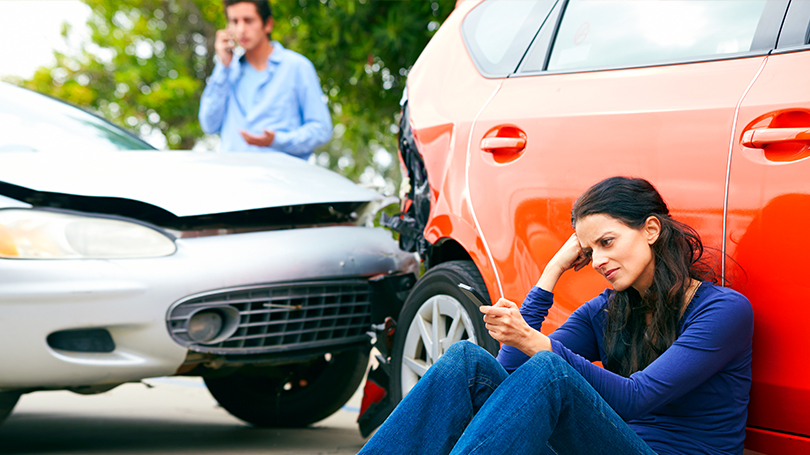
A car accident can happen in an instant, leaving you feeling shaken, angry or even scared. While it's natural to feel overwhelmed, staying calm will help you manage the situation more effectively.
Whether it’s a minor fender bender or a more serious collision, knowing what steps to take can make all the difference in ensuring your safety, protecting your rights, and handling the insurance process smoothly.
Key takeaways
- Stay calm and prioritize safety. Check for injuries, call emergency services if needed and move to a safe location if possible.
- Gather key information. Exchange details with other drivers, take photos, and document the accident for insurance purposes
- Follow reporting requirements. Contact your insurance provider, report the accident to the police or a collision centre if necessary, and understand your coverage options.
Stay calm and assess the situation
It can be an understandable reaction, but losing your cool won’t help, no matter who is in the right or wrong. Take a deep breath and focus on what needs to be done next. If you’re feeling distressed, call a family member, friend, or emergency contact for support. Keeping a level head will make it easier to navigate the next steps.
Check for injuries and call for help if needed
Your first priority is safety. Check yourself and your passengers for any injuries. If anyone is hurt, call 911 immediately. Even if injuries seem minor, emergency responders can assess the situation properly.
If it’s safe and you’re physically able, check on the other driver, any passengers, or other individuals involved, including cyclists, pedestrians, etc. Don’t move anyone who appears seriously injured. Wait for paramedics.
Move to a safe location (if possible)
If it’s a minor collision and your vehicle is drivable, move it to the side of the road (if it’s safe to do so) to avoid blocking traffic and reduce the risk of further collisions. Turn on your hazard lights. If it’s unsafe to move your vehicle, stay inside with your seatbelt fastened until help arrives. Being prepared for what to do after a minor car accident can make managing a stressful situation better.
Important notes
- Avoid admitting fault: Even if you think you may have caused the accident, don’t admit fault at the scene. Insurance companies and authorities determine liability based on evidence, not immediate apologies. Stick to the facts when speaking to the other driver, police and your insurer.
- Be aware of 'predatory towing': A passing tow truck may pressure you into using their services or take your vehicle to an expensive, unauthorized lot. Remember: You have the right to choose who tows your car and where it goes. You’re also not required to move your vehicle right away unless directed by police. If you’re unsure, contact your insurer before agreeing to a tow.
Call the police (when required)
Not every accident requires police involvement, but in some cases, you must report it. Call 911 if:
- Someone is injured
- You suspect the other driver is impaired
- A vehicle is undrivable or there’s significant property damage
- The other driver flees the scene (hit and run)
- There is damage to any private, municipal or highway property
In some provinces, you must report an accident to the police or a collision reporting centre. If there is a police report, ask for a copy and note the officer's name and badge number. This report can be valuable during the claims process.
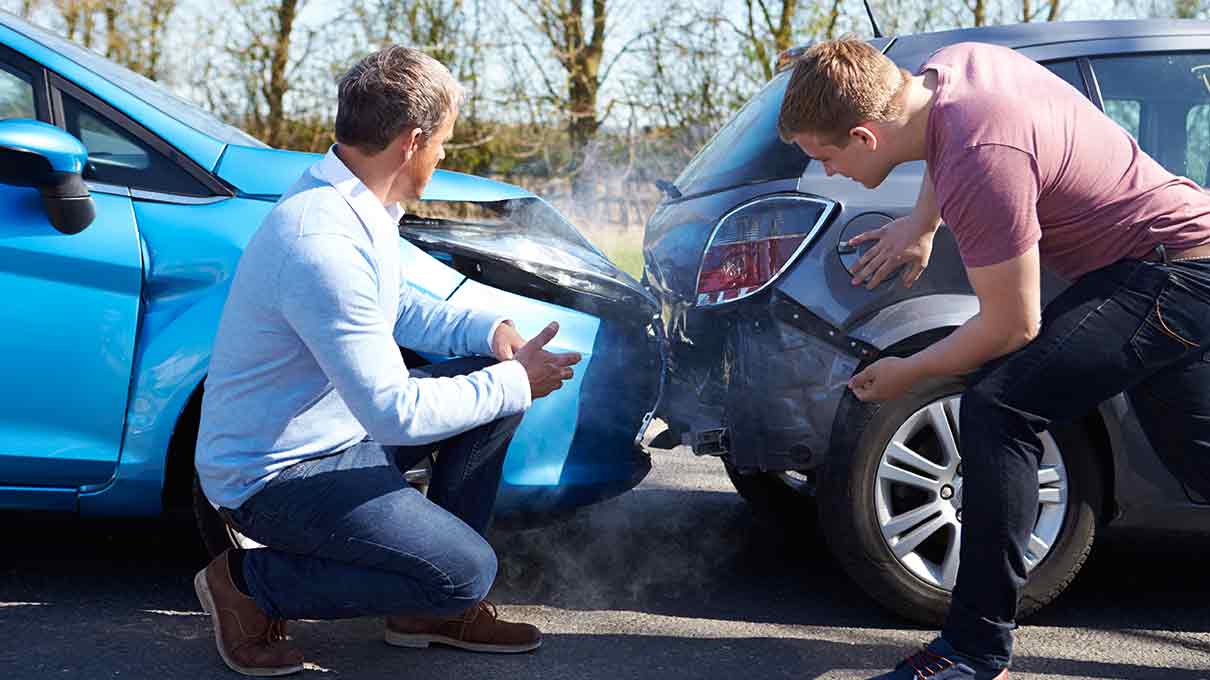
Exchange information with all others involved
After ensuring everyone is safe, exchange these details with the other driver(s):
- Full name and contact information
- Driver’s licence number
- Vehicle details (year, make, model, colour)
- Insurance provider and policy number
If pedestrians or cyclists were involved in the accident, be sure to get their contact information as well. If they were injured, encourage them to seek medical attention and document their account of the accident. Their statements may be important for insurance or legal purposes.
If there are witnesses, ask for their contact information in case their statements are needed later.
Take photos and make notes
Your memory of the accident may fade, so, if it's safe to do so, it’s best to document as many of the accident details as possible:
- Photos of vehicle damage from multiple angles
- The accident scene, including skid marks, traffic signs and road conditions
- The licence plate number of all vehicles involved
- Any visible injuries
- Weather and road conditions at the time of the crash
- A brief summary of what happened while it's still fresh in your mind (Pro tip: Email this summary to yourself to ensure your notes don’t get lost.)
Call your insurance provider
Notify your car insurance company as soon as possible. Provide them with:
- Details of the accident (date, time, location, key information of parties involved)
- The police report number (if applicable)
- Photos and any witness contact information
Your insurance representative will explain the next steps for claims and repairs.
What if the other driver is uninsured?
If you’re hit by an uninsured driver, your policy may include uninsured motorist coverage, which helps cover damages. Inform your insurer right away so they can guide you on the claims process.
What if the vehicle is a rental?
If you’re driving a rental car, check the rental agreement and any insurance coverage you purchased. Follow the same steps as you would in your own vehicle: ensuring safety, calling the police if required and exchanging information. Then, contact the rental company immediately to guide you on their reporting process.
Report the accident at a collision centre (when required)
If your province requires it, visit a collision reporting centre to file an official accident report. This may be necessary for insurance claims, even if police don’t attend the scene.
Conclusion: Don’t wait to prepare
Dealing with a car accident can be stressful, but staying calm and following these steps will help protect your safety, your rights and your insurance claim.
But you don’t want to wait until an accident happens to be prepared. Take time to familiarize key information for reporting an accident to the police. Keep your insurance company’s contact information and policy number handy at all times.
Having a clear plan in place will help you stay calm and handle the situation with confidence if you ever find yourself in a collision.
If you have any questions about your current policy or want to review your coverage, reach out to your insurance representative today.